Updated: June 2026
After more than ten years with The Safe Keeper, I have lost count of how many times a customer has stood in our Las Vegas showroom and asked me the same honest question: "Can't I just keep my firearms in a regular safe?" It is a fair thing to wonder. A safe is a safe, right? Not quite. I have personally delivered, installed and serviced hundreds of safes across the valley, and I have seen first hand what happens to a rifle that spent two years in the wrong box. So let me walk you through exactly what turns an ordinary safe into a true gun safe, using what I have learned on the job rather than what you can read on any other page.

Gun Safe vs Regular Safe: What I See Every Day
The biggest difference I point out to customers is one most people never think about: humidity. Regular safes are designed to protect documents, cash and jewelry, and those contents are perfectly happy at a humidity level above 50 percent. Firearms are not. I have opened regular safes for customers and watched their faces drop when they saw the light surface rust creeping along a barrel that was stored in a sealed box with no moisture control. A proper gun safe is built with a door seal and is set up to keep that moisture out, which is why your guns and ammunition keep their function and finish.
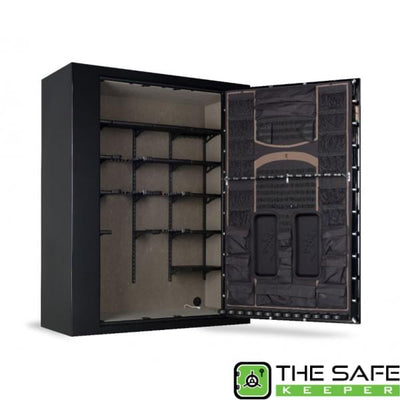
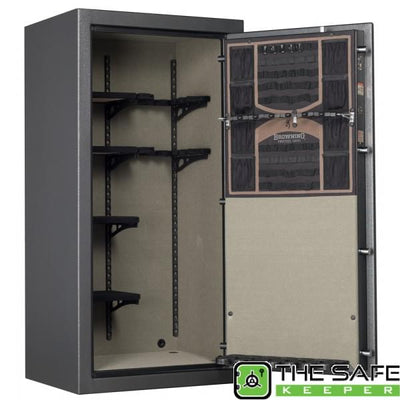
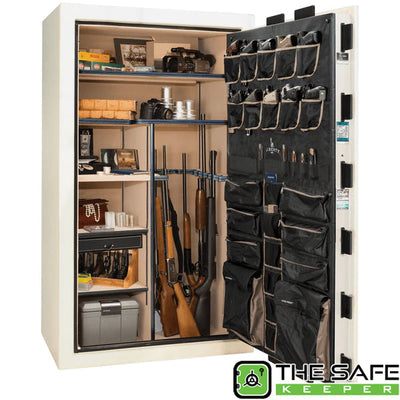
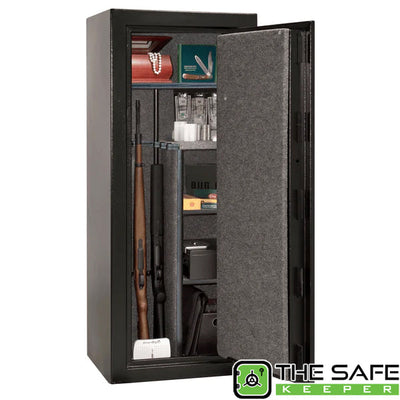
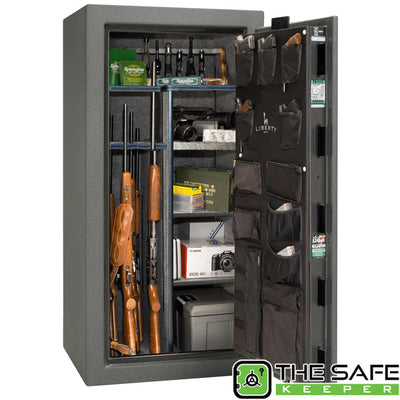
The second difference is the inside of the safe itself. A real gun safe is built around how firearms are actually stored. It comes with barrel rests, racks and a layout that holds long guns upright and separated, so they are not leaning against each other, getting scratched, knocked or exposed to grit. In a regular safe your firearms become a pile. In a gun safe they have a home.
I always frame it the same way for people on the fence: a quality gun safe usually costs more up front, but I have watched customers spend far more over the years repairing finishes, replacing rusted ammunition and refinishing stocks because they tried to make a document safe do a firearm's job. Buying the right safe once is almost always the cheaper path.
The Types of Gun Safes I Help People Choose
Once people understand that they genuinely need a gun safe, the next mistake I try to prevent is overbuying or underbuying. Guns come in many shapes, and so do gun safes. Here are the three basic categories I walk customers through on the floor, so you buy storage that fits your firearms and your home instead of paying for space you will never use.
Handgun and Pistol Safes
A handgun safe, sometimes called a pistol safe or a small gun safe, is compact and light. It is built to hold one or several handguns and is easy to move from room to room or out to a vehicle. I sell a lot of these to people who travel with a firearm or who want quick bedside access. There are also larger pistol boxes designed as vehicle consoles or as fixed home units, and those are a good middle ground if you want fast access plus a real anchored install.
Rifle and Long Gun Safes
Long gun safes are the tall units, usually around 60 inches, or five feet, in height. Their width and depth vary a great deal depending on how many long guns they are rated to hold. One thing I tell every customer: the advertised gun capacity is a best case number that assumes bare rifles with no optics or slings. If your rifles wear scopes, plan for roughly half of that rating in the real world. I would rather size you up now than deliver a safe you have already outgrown.
Multi Use Gun Safes
True to the name, a multi use gun safe is built to hold more than firearms. These store guns alongside documents, cash, jewelry and other valuables, and they come in tall, wide and compact formats. They usually arrive with a mix of drawers, adjustable shelves, racks and interior compartments. For a lot of households this is the safe I recommend, because it protects the firearms and the rest of the family's important items behind one door.
The Features That Truly Make a Safe a Gun Safe
Regardless of type or size, a quality gun vault has to meet the standards of the industry. These are the features I check on every safe before I would put my name behind it, and the ones I encourage you to inspect before you buy.
Steel Strength and Gauge
The single most important component is the steel the safe is built from. Thick steel resists drilling and prying, which is what a determined burglar will try. When you compare safes, look at the gauge of both the body and the door, because some manufacturers build a thick door onto a thin body and hope you will not notice. The rule is simple: the lower the gauge number, the thicker and stronger the steel. For example, 12 gauge steel measures 2.057 mm (0.081 in), while 14 gauge measures 1.626 mm (0.064 in). In my experience, gun safes built from 12 gauge steel or thicker give you a meaningfully better level of protection.
The Lock: Mechanical, Electronic and Biometric
The locking mechanism is the next thing I have customers handle in person, because the right answer depends on you. A good lock has to be strong, but it also has to be convenient enough that you will actually use it under stress. Mechanical dial locks are traditional, robust and need very little maintenance, and many people trust them for exactly that reason. Electronic locks open faster and relock automatically, and they offer features I get asked about constantly: multiple user codes, lock out modes after wrong entries, and biometric access that reads your fingerprint. Biometric gun safes are popular for nightstand and quick access situations. There is no single best lock. There is the lock that fits how you live, paired with a body and door of solid steel.
Fire Protection and Fire Ratings
Fire is one of the most serious threats a gun owner faces, and it is the one customers underestimate the most. Here is why it matters: firearms begin to lose temper and warp as they approach 425°C (800°F), but ammunition can cook off at just 190°C to 200°C (374°F to 392°F). A fireproof gun safe is designed to keep its interior cool long enough to ride out a house fire, and that protection comes from quality insulation, thick rigid steel and seals that expand with heat to close the gaps. The fire rating tells you how long, and at what external temperature, the safe is built to keep its contents undamaged. When a customer keeps irreplaceable items next to their firearms, fire rating is usually the spec I steer them toward first.
UL Ratings
If you want certainty rather than a marketing claim, look for a safe tested and certified by Underwriters Laboratories, an independent body. The common UL 350 fire classes describe how long the interior stays protected: Class 350 for one hour, Class 350 for two hours, and Class 350 for three hours. The benefit for you is choice. You can match the certified level of protection to what you actually keep inside, instead of guessing.
Humidity Control and Dehumidifiers
This is the feature I wish more first time buyers asked about, especially here in the dry Las Vegas climate where people assume moisture is never an issue. It still is, particularly during seasonal swings and if your safe lives in a garage. Beyond the door seal, I almost always recommend adding a gun safe dehumidifier, either a rechargeable desiccant unit or a low wattage electric rod, to keep the interior dry. It is an inexpensive accessory that protects thousands of dollars of firearms from the slow rust that ruins finishes and function.
Delivery, Placement and Installation: Where Most People Slip Up
This is the part of the process I personally own at The Safe Keeper, and it is where I see the most expensive mistakes happen long after the sale. A great safe that is placed and installed poorly is a great safe that can be defeated, damaged or never properly used. Here is what a decade of deliveries has taught me about gun safe installation.
Where to Put a Gun Safe
When customers ask me where to put a gun safe, my answer balances three things: security, access and environment. I look for an interior wall on a solid floor, ideally a corner, because corners give us two walls to work with and make the safe far harder to tip or pry. I steer people away from damp garages and exterior walls when firearms are involved, because of the moisture and temperature swings I mentioned earlier. I also think about discretion. A safe that is not in plain sight from a front window is a safe a burglar may never know exists. And I always make sure the spot allows the door to swing fully open and gives you comfortable, repeatable access, because a safe that is awkward to reach is a safe that ends up left unlocked.
Anchoring and Your Floor
If you take one piece of advice from me, take this one: anchor your safe. An unanchored gun safe, even a heavy one, can be tipped over, walked across a room, or hauled out the door by two motivated thieves. Anchoring bolts the safe to the floor through the pre drilled holes in the base, which turns it from a movable box into part of the building. On concrete slab, which is what most Las Vegas homes sit on, we use heavy concrete anchors. On a raised wood floor we locate the joists so we are bolting into structure, not just decking. Done right, anchoring also removes the tip over risk to children, which for me is just as important as burglary protection.
Weight, Stairs and Moving Day
People are genuinely surprised by gun safe weight. A mid size residential gun safe routinely runs 500 to 800 pounds empty, and large units go well past that. This is not a job for two friends and a furniture dolly, and I have been called out to fix the dents, gouged floors and injuries that happen when people try. Professional delivery matters because of how the weight is managed: protecting your flooring and door frames, navigating tight hallways and stairs safely, and setting the safe down level so the door seals and the boltwork line up correctly. When my team handles the install, the safe arrives undamaged, sits level, and is anchored and ready to use before we leave.
What Owning a Gun Safe Really Asks of You
Buying a good gun safe does not end your responsibilities, it begins them. If you want real peace of mind that your firearms are secure and will serve you for decades, here is what I ask every customer to commit to:
- Place the safe in a discreet, secure spot where it is hidden from children and from anyone scoping your home.
- Keep the interior clean and dry so dust and moisture never get a foothold on your firearms.
- Anchor the safe to the floor so it cannot be tipped over or carried off.
None of this is difficult, and all of it protects the investment you just made.
How I Help You Choose the Right Gun Safe
If you are still weighing steel gauge against fire rating against capacity, that is exactly the conversation my team and I have every day. When you visit our Las Vegas showroom, I can show you the difference between two safes in person, have you handle the locks, and size a unit to your actual collection and your home. If you cannot make it in, you can call our support team or leave a message on the website and we will help you the same way. The goal is never to sell you the biggest safe. It is to match you with the right one and install it so it actually does its job.
Frequently Asked Questions
Is a gun safe really different from a regular safe?
Yes. A regular safe is tuned to protect documents and valuables that tolerate humidity above 50 percent, while a gun safe controls moisture with a door seal and dehumidification and is built inside with racks that hold firearms upright and separated. Storing guns in a regular safe is the most common cause of rust and finish damage I see.
What size gun safe do I need?
Size to your collection plus room to grow, and remember that published capacity assumes bare rifles. If your long guns wear optics and slings, plan for about half the advertised number. I would rather help you buy one size up now than replace a safe you outgrow in a year.
Are biometric gun safes reliable enough to trust?
A quality biometric lock from a reputable brand is reliable for quick access situations like a bedside pistol safe, and the better models also accept a backup code or key. For long term storage of a large collection, many of my customers still prefer a robust mechanical dial or a proven electronic lock. The right choice depends on how fast you need access.
Do I really need a dehumidifier in a dry climate like Las Vegas?
In most cases yes. Even in dry air, temperature swings, an attached garage, or simply opening the safe on a humid day can introduce enough moisture to start surface rust over time. A small rechargeable desiccant or an electric dehumidifier rod is cheap insurance for firearms worth thousands.
Should I bolt down my gun safe?
Absolutely. An unanchored safe can be tipped, dragged or carried out by thieves and poses a tip over risk to children. Anchoring it through the base into a concrete slab or floor joists makes it part of the structure and dramatically improves both security and safety.
How heavy is a gun safe, and can I move it myself?
A mid size residential gun safe commonly weighs 500 to 800 pounds empty, and large models weigh more. I strongly recommend professional delivery. Trying to move one yourself risks injury, damaged floors and a dented safe, and you still need it set level and anchored to work properly.
Is a fireproof gun safe worth it?
If you keep anything irreplaceable next to your firearms, yes. Ammunition can cook off near 190°C to 200°C and firearms warp as they approach 425°C, so a UL rated fire safe that holds its interior temperature for one, two or three hours can be the difference between recovering your guns and documents and losing them.
Final Thoughts
So, what makes a safe a gun safe? It comes down to moisture control, an interior built for firearms, strong steel, the right lock, real fire protection, and just as importantly, proper placement and installation. A gun safe that is chosen carefully and installed responsibly lets you relax, knowing your firearms are dry, secure, hidden from children, and protected from burglary and fire, right alongside your other valuables. After a decade of doing this in Las Vegas, my best advice is simple: get the fundamentals right and lean on people who install these every day. If you would like that help, come see us in the showroom, call our team, or message us on the site, and I will make sure you walk away with the right safe set up the right way.