Updated: June 2026
The short answer
Yes, you can store a loaded gun in a safe, and in most states it is perfectly legal to do so inside a locked container that the wrong hands cannot open. Whether you should is a different question, and it comes down to three things I talk through with customers every week: how fast you need access, who else lives in your home, and the storage laws where you live. A good safe makes loaded storage reasonable. A cheap lockbox and no plan make it a problem.
That is the honest version. Below I walk through what I have actually seen work and fail on installs across Las Vegas and southern Nevada.

What I have learned installing safes for over a decade
I have spent more than ten years at The Safe Keeper, and a large part of that has been hands on with delivery and installation. I have placed safes in nursery closets, in gun rooms, bolted into concrete garage floors, and tucked beside beds for people who keep a firearm for home defense. That work has changed how I think about loaded storage.
When I started, I assumed the responsible answer was always to store firearms unloaded. It felt safer, and it let me sleep at night. Over the years I watched real households use their safes, and I came to a more practical view. The loaded versus unloaded debate matters far less than two things people tend to skip past: the quality of the safe itself and whether the owner actually maintains the firearm and trains the people around it. A loaded gun in a well built, properly anchored safe with a fast and reliable lock is, in my experience, a calmer and safer setup than an unloaded gun thrown in a flimsy box that anyone can pry open.
So my goal here is not to sell you on one answer. It is to give you the real tradeoffs from someone who installs these for a living.
Benefits of storing a loaded gun in a safe
Keeping a firearm ready to fire inside a locked safe has genuine advantages over storing it empty. Here is what those advantages look like in practice.
Faster access when seconds matter
If you are reaching for a firearm during a break in, you do not have spare seconds to find a magazine, seat it, and rack a round in the dark while your heart is pounding. A loaded firearm removes those steps. The FBI has studied active threat events for years, and a consistent finding is that they unfold and often end before law enforcement can arrive, which means the first few moments fall on the person who is there. I am not telling you to be afraid. I am telling you that if readiness is your reason for owning the gun, the loading step is the part that fails first under pressure.
Fewer mistakes under pressure
Loading a firearm is a simple task on a calm range day. It is a different task at two in the morning with adrenaline shaking your hands. I have heard plenty of stories from customers about short stroking a slide, fumbling a magazine, or grabbing the wrong box of ammunition. Stress narrows your focus and steals fine motor control. A firearm that is already loaded takes the most error prone step off the table, which is exactly why so many people who keep one for protection choose to store it ready.
It can actually be safer when locked
This surprises people. A loaded firearm behind a real lock can be safer than an unloaded one sitting in a drawer, because the safe, not the empty chamber, is what keeps it away from children and visitors. The chamber being empty does nothing if a curious kid finds the gun and the ammunition in the same nightstand. When the firearm lives in a quality safe and you control the combination or your fingerprint is the only key, unauthorized access drops close to zero. The lock is the safety mechanism that matters most.
Risks I always point out to customers
I would not be doing my job if I only listed the upside. Loaded storage carries real responsibilities, and I make sure every customer hears them.
You carry the liability
When you store a loaded firearm, you own what happens with it. If someone reaches it who should not, the consequences land on you, both morally and often legally. A large number of states have laws that hold owners responsible when a child or other prohibited person gains access to a firearm that was not properly secured. This is the strongest argument for a serious safe rather than a token lockbox. A reliable safe is not just convenience, it is your protection against the worst case.
Wear on the firearm and the ammunition
People worry that leaving a magazine loaded ruins the springs. In practice, modern magazine springs handle being kept loaded far better than the internet fears suggest, and what actually causes problems is cycling a round in and out of the chamber over and over, which can set back the bullet, and letting moisture sit on the metal. Humidity is the real enemy, and in a sealed steel box it can build up fast. That is why I install a dehumidifier rod or at least a desiccant in nearly every gun safe I deliver. Inspect the firearm, wipe it down, and rotate your carry and storage ammunition on a sensible schedule so nothing sits forever.
The law is not the same everywhere
Storage rules vary by state and sometimes by city, and they can dictate how a firearm must be stored, what kind of locking device counts, and whether loaded storage is allowed at all in certain situations. California, for example, has strict requirements around approved containers and locking devices. Here in Nevada the rules are more permissive, but I still tell customers to confirm their own state and local law rather than assume. Check before you settle on a setup, not after.
Quick access safes: staying ready without being reckless
This is the part the original conversation usually misses, and it is where I spend the most time with home defense customers. The real question is rarely loaded versus unloaded. It is how do I keep a firearm both secure and reachable in seconds. That is exactly what a quick access safe is built for.
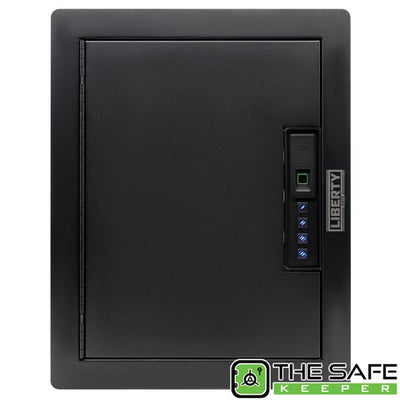
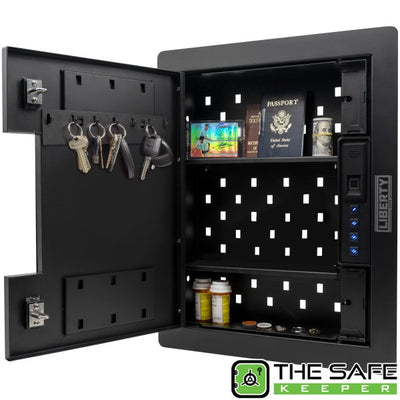
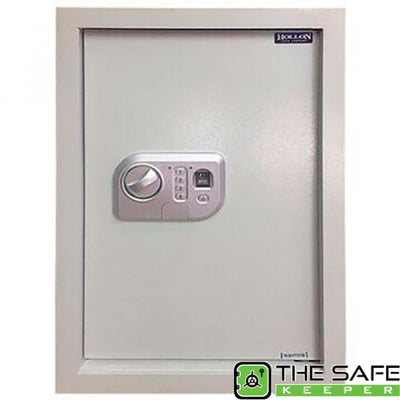
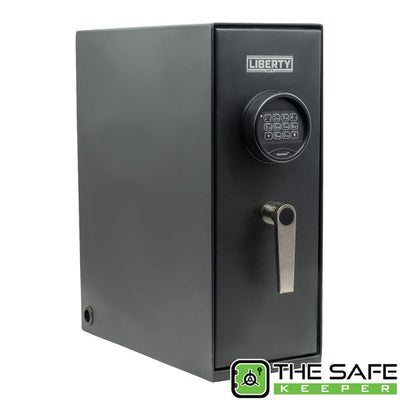
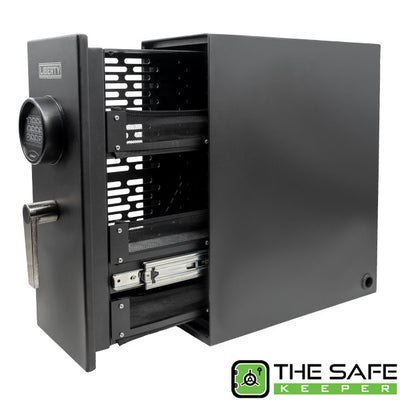
A quick access safe uses a biometric fingerprint reader, a keypad, or both so an authorized adult can open it in under two seconds in the dark, while it stays locked to everyone else. For a nightstand or bedside firearm, this is the setup I recommend most often. You get the readiness of a loaded firearm and the security of a locked container at the same time, which is the balance most people are actually looking for.
A few things I have learned placing these: mount or anchor it so it cannot be carried off, position it where your hand naturally falls without you having to sit up and search, keep the battery fresh and a backup key stored away from the safe, and practice opening it with your eyes closed until it is muscle memory. A quick access safe you have never rehearsed with is not actually quick. If you want true speed and security together, this category is worth far more attention than the loaded versus unloaded debate itself.
How I recommend storing a loaded gun in a safe
If you decide loaded storage is right for you, here is the approach I walk customers through.
Choosing the right safe
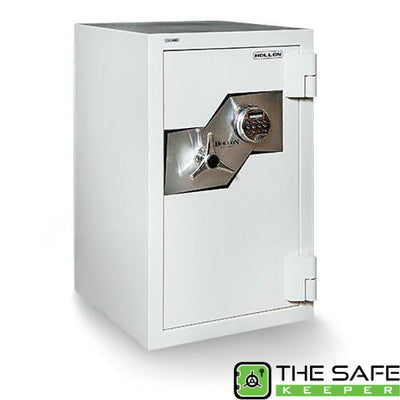
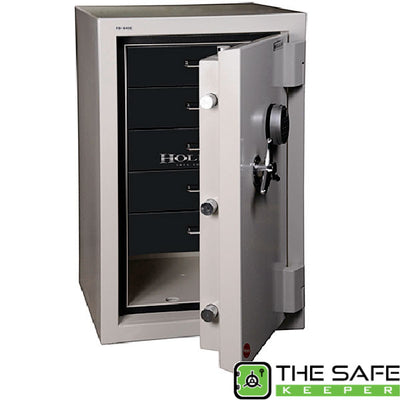
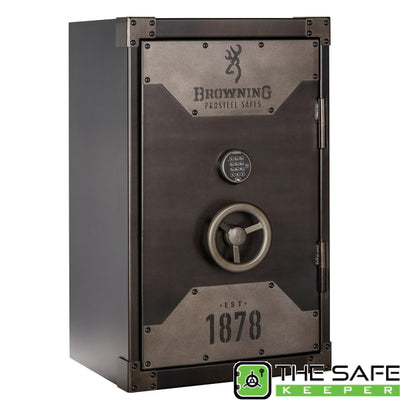
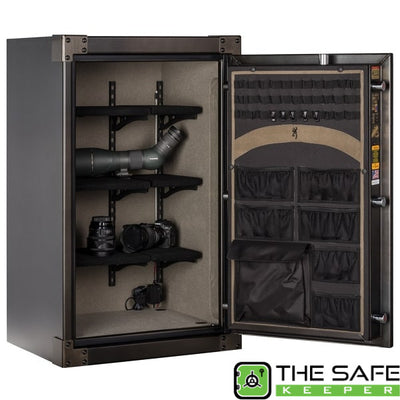
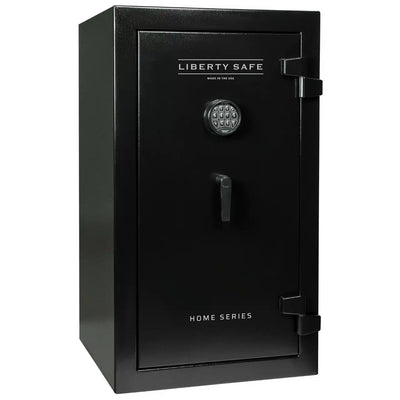
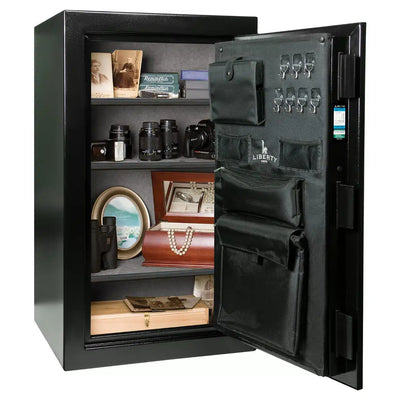
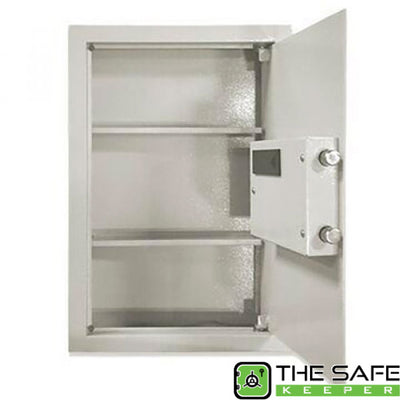
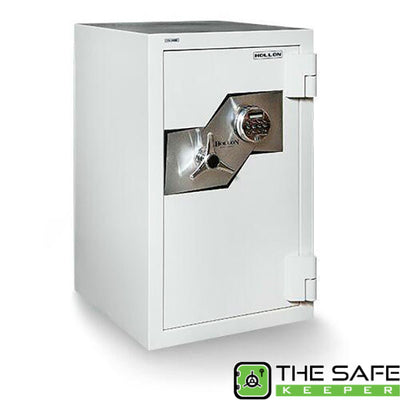
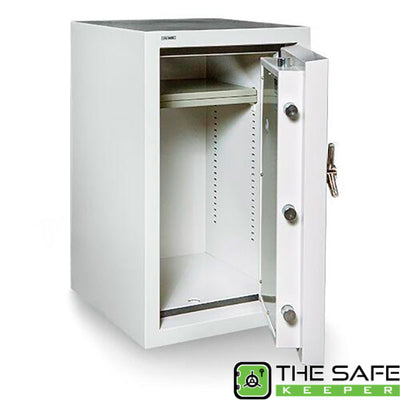
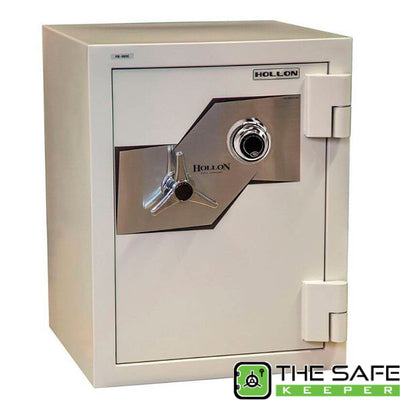
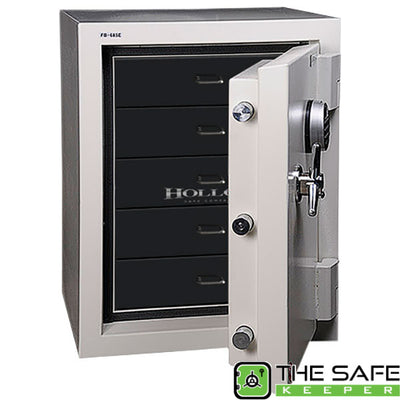
Buy the safe for the job. For a primary firearm you want a steel body you cannot pry open easily, a fire rating that protects the contents long enough to matter, and a lock you trust to work every single time. For long guns, look at interior racks and adjustable shelving. For a bedside handgun, prioritize a fast and reliable biometric or keypad lock over sheer size. Whatever you choose, it has to be anchored. A safe that is not bolted down is a safe a thief can simply carry out the door, and we anchor every install for exactly that reason.
Maintaining the firearm
A loaded firearm in storage still needs care. Clean and lightly lubricate it on a regular schedule, keep humidity under control with a rod dehumidifier or desiccant, and check your ammunition for corrosion or damage. Rotate your stored rounds rather than letting the same ones sit indefinitely. A keep it and forget it firearm is the one that lets you down when you finally need it.
Teaching everyone in the home
Security is a household habit, not a single purchase. Everyone authorized to open the safe should know how to do it confidently, and everyone else, especially children, should understand that the firearm is never theirs to touch. Follow the core safety rules: treat every firearm as loaded, keep your finger off the trigger until you are ready to fire, and never point it at anything you are not willing to destroy. Store the combination or backup key somewhere secure and separate, and never hand it to anyone who is not trained and authorized.
Loaded gun storage laws to check first
Before you finalize anything, confirm three things for your state and city: whether loaded storage is permitted in your situation, what type of locking container or device the law recognizes, and whether any safe storage or child access prevention rules apply to your household. Many states impose liability when an unsecured firearm reaches a child or prohibited person, so the legal incentive and the safety incentive point the same way. A quick read of your local law now saves you from a serious problem later, and a reputable safe dealer in your area can usually point you in the right direction.
So should you keep your gun loaded in your safe?
For years I was convinced the only responsible choice was to store my firearms unloaded. The thought of a child finding a gun and getting hurt, or an accidental discharge, was enough to settle it for me. What changed my mind was thinking through the situation I actually own the firearm for: a moment where I might need to protect the people I love with no time to reload. In that moment, an unloaded gun is not much of a tool.
So here is where I landed. It does not really matter as much as people think whether you store your pistol or rifle loaded or unloaded. What matters is a quality safe, a lock you can open fast and trust completely, and steady maintenance of the firearm inside it. Get those right, follow your local law, and either choice can be done responsibly. Get them wrong, and neither one is safe.
Frequently asked questions
Is it bad to store a gun loaded?
Not on its own. The risk comes from where you store it, not the loaded chamber. A loaded firearm inside a quality locked safe is reasonable. A loaded firearm in an unlocked drawer is the real hazard.
Can you legally keep a loaded gun in a gun safe?
In most states, yes, storing a loaded firearm in a locked safe is legal. Some states restrict how firearms must be stored or what locking devices qualify, and many hold owners liable if a child gains access, so confirm your own state and local law before deciding.
Will ammunition or magazine springs go bad in a safe?
Quality ammunition stored in a cool, dry safe lasts for years. Modern magazine springs tolerate being kept loaded far better than commonly feared. The genuine threat is humidity, so use a dehumidifier rod or desiccant and rotate your ammunition periodically.
What is the best way to store a gun for home defense?
A quick access safe with a biometric or keypad lock, anchored near where you sleep, gives you both fast access and security. Practice opening it until it is automatic, and keep the battery fresh with a backup key stored separately.
Should I store my handgun loaded or unloaded?
If the firearm is for protection and you keep it in a fast, reliable, locked safe that others cannot open, loaded storage makes sense. If it is purely for sport or collecting, unloaded storage is the simpler choice. The quality of the safe matters more than the loaded state.
Do quick access safes hold a firearm loaded?
Yes. Quick access safes are designed precisely for keeping a loaded firearm secure yet reachable in seconds, which is why they are so popular for bedside home defense.
Have questions about choosing or installing a safe in the Las Vegas area? That is what my team and I do every day, and we are always glad to help you find the right fit for your home.