Updated: May 2026
I've been with The Safe Keeper for more than ten years, and I've delivered and installed more gun safes than I can count. Most folks who walk through our doors are worried about the same thing: a burglar with a pry bar and a few loud minutes. That's a fair concern, and a solid safe handles it easily. But every so often someone brings up torch resistance, and I usually get a grin, a wave of the hand, and some version of "that's overkill for me."
For most break-ins, they're right. But not all of them. I want to tell you about one customer who found out the hard way why the "overkill" features aren't always overkill, and then walk you through what actually keeps a gun safe shut when someone comes prepared to burn their way in.
The Safe He Almost Talked Himself Out Of
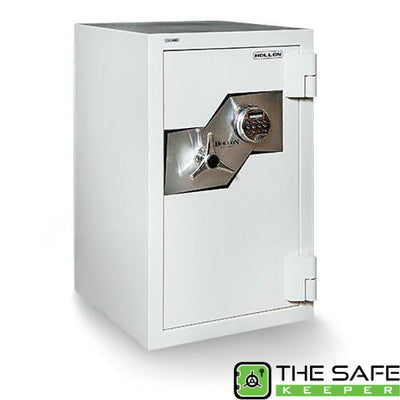
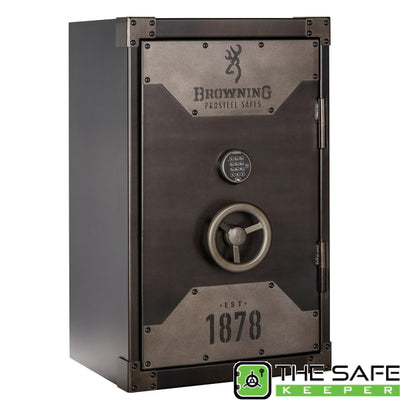
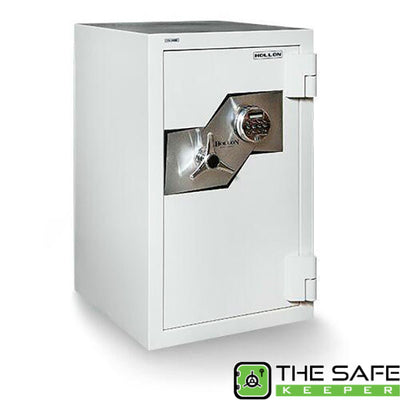
I'll call this customer Joe, since the details are his business and not the internet's. Joe came in knowing roughly what he wanted: a certain security level, room for his long guns, and a budget he didn't want to blow past. He walked the floor, looked at every brand we carry, and kept drifting back to one heavy-duty model with a thick steel body and a solid plate-steel door.
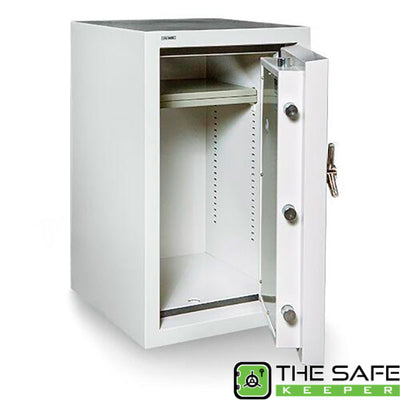
It cost more than he'd planned to spend. He said so more than once. But the build kept pulling him back. The door gap was so tight you could barely slip paper into it, the locking bars were thick, and the whole thing felt like it belonged in a bank. After a couple of hours of questions and a lot of back-and-forth, he bought the biggest one we had.
When we delivered it, he had a real case of buyer's remorse. He told me later he stood in his garage wondering if he'd overspent on a safe far bigger and tougher than he'd ever need. I hear that a lot. Most people never test their safe, so they never know.


Eight Hours With a Torch
About a year later, Joe was selling his house. He'd moved almost everything out, but the safe was still bolted down and still full: firearms, documents, and other valuables he hadn't relocated yet. While he was out of town, his realtor showed the empty house to a group of people. They saw the safe. They saw an empty house. And they did the math.
Later that week, according to the police report, they came back with a mix of tools, including a cutting torch. An empty house gave them something a burglar almost never has: time. They worked on that safe for more than eight hours.
They started by torching a corner of the door, gave up on that, and went straight for the lock. Hour after hour, they burned through the outer door plate, the fire insulation behind it, and the hardened steel plate that sits in front of the lock to protect it. Eventually they reached the lock itself.
And that's where it ended for them. The safe didn't pop open. The relocker did exactly what it's built to do. It fired and jammed the whole thing shut, permanently. Tired, out of time, and empty-handed, they left. Everything inside was still there.
Why the Safe Won
When Joe called me, he was still rattled. Then he laughed and said buying that safe was the best decision he'd ever made. I could have ended the story there and been happy with it. But it got better. His safe carried a lifetime warranty covering attempted break-in and fire damage, so the manufacturer replaced it at no cost. We opened the damaged unit, hauled it out, and installed his new one within a few weeks.
What saved Joe's guns wasn't luck. It was a stack of features working together: a thick steel body, a plate-steel door with a tight gap that gave the torch nothing easy to grab, real hardplate over the lock, and a relocker waiting for the moment someone got too close. Let me break down what each of those actually does, because this is the part that helps you shop smarter.
What Actually Stops a Torch Attack
No residential safe is truly torch-proof. Give anyone enough time, fuel, and privacy, and steel will eventually give. The goal of a good safe isn't to be invincible. It's to cost the intruder more time, effort, and frustration than the job is worth. Here's what buys that time.
- Steel gauge and body construction. Gauge measures thickness, and lower numbers mean thicker steel. A common entry-level gun safe uses 12-gauge steel, which handles the average smash-and-grab just fine. Heavier safes step up to 10, 7, or even thicker plate. Joe's door was solid plate steel, not a thin folded shell, and that mass is part of why the torch work took so long.
- A tight door gap. Pry attacks and cutting attacks both look for a lip or a gap to exploit. When the door fits the body with almost no gap, there's nowhere to wedge a bar and less exposed edge to attack.
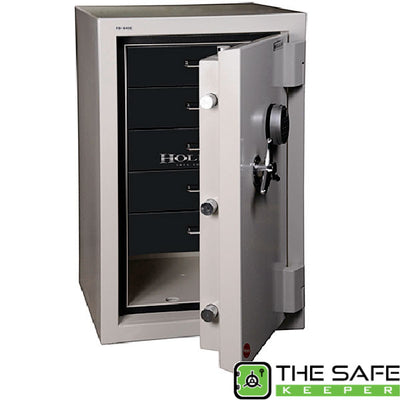
- Hardplate over the lock. Behind the door, quality safes place a hardened steel plate directly in front of the lock. It resists drilling and slows a torch. It's one of the least visible features on the showroom floor and one of the most important.
- The relocker. This is the hero of Joe's story. A relocker is a backup that senses an attack on the lock, whether by drilling, punching, or heat, and slams independent bolts into place. Once it trips, the safe stays shut even if the primary lock is destroyed. The people working on Joe's safe reached the lock and still couldn't open it, because the relocker had already ended the game.
None of these features shout at you from across the showroom. That's exactly why I point them out to every customer.
Fire Protection and Burglary Protection Are Not the Same Thing
Here's a mix-up I correct almost every day: people assume a burglary-tough safe is automatically fireproof, or that a fireproof safe will stop a thief. They're two different jobs.
Burglary protection is about steel, locks, and relockers resisting force. Fire protection is about insulation that keeps the inside cool while the outside bakes. A safe can be excellent at one and mediocre at the other. Many gun safes use a layer of fire board or composite insulation between steel panels, and that same insulation is what the intruders had to burn through on Joe's safe. Good insulation slows a torch and buys evacuation time in a house fire. If you care about both threats, and most gun owners should, you want a safe that's genuinely built for both rather than one that just borrows the label.
How to Read a Gun Safe's Fire Rating
Fire ratings confuse a lot of buyers because manufacturers don't all test the same way. A rating usually lists two numbers: a temperature and a time. Something like "1,200°F for 60 minutes" means the safe kept its interior below a set internal temperature, often around 350°F to protect paper, while the exterior was held at 1,200°F for one hour in testing.
A few things worth knowing before you trust a number on a sticker:
- Longer isn't automatically better if the test conditions differ. A 90-minute rating at a lower external temperature isn't clearly stronger than a 60-minute rating at a higher one. Compare temperature and time together.
- Independent testing matters. Ratings verified by a third-party lab carry more weight than an in-house claim.
- Paper and firearms have different limits. Standard fire ratings protect documents. Ammunition, electronics, and some firearm finishes are more sensitive to heat, so factor that in if you store them.
When someone asks whether their gun safe is fireproof, my honest answer is that it's fire-resistant for a rated window, not fireproof forever. Know the window, and store accordingly.
"Overkill" or Smart? Matching a Safe to Real Threats
I'm not going to tell you everyone needs the biggest, most expensive safe on the floor. That's not the lesson from Joe's story. The lesson is that you get what you pay for, and the right level depends on the threat you're actually planning for.
For the average break-in, a burglar is in and out fast and wants easy targets. A 12-gauge safe that's properly bolted down will usually defeat that smash-and-grab attempt, because the intruder doesn't have the time or tools to do more. That covers most people, most of the time.
But prepared intruders are more common than folks think, especially when a safe is visible, a home sits empty, or word gets around that there's something worth taking. When someone shows up with a torch and hours to spare, thin steel and a basic lock won't hold. That's the scenario the heavier build, the hardplate, and the relocker are designed for.
So the real question isn't "what's the toughest safe?" It's "how much time and resistance do I want standing between a determined thief and my guns?" Answer that honestly and the right safe usually becomes obvious.
How I Help Customers Choose
After a decade of deliveries and installations, I've built a short list of questions I ask every customer, and you can ask them yourself:
- What am I protecting, and what would it cost to replace? Firearms, heirlooms, and documents each carry different value and different risk.
- What's my real threat? A quick burglary, a house fire, or a prepared intruder with time? Be honest about your neighborhood and how visible your safe is.
- Is it going where people can see it? A safe spotted through a garage door or by a visitor is a safe someone can plan around. Placement and bolt-down matter as much as the steel.
- What does the warranty actually cover? Joe's lifetime warranty on break-in and fire turned a disaster into a free replacement. Read that fine print before you buy, not after.
Bolting the safe down is not optional, by the way. An unanchored safe can be tipped, carried off, or worked on at an angle that helps an attacker. We anchor every install for a reason.
If you're weighing options and not sure what level of protection fits your situation, that's the conversation I have with people every day. Bring your list of valuables and your honest worries, and the right safe tends to sort itself out.
Frequently Asked Questions
Can a gun safe really survive a torch attack?
A quality safe can survive a long one. No residential safe is torch-proof forever, but a thick steel body, hardplate over the lock, and a working relocker can defeat attackers even after hours of cutting, as they did on my customer's safe. The point is to make the job take longer than any thief is willing to spend.
Are gun safes fireproof?
No safe is truly fireproof. Better ones are fire-resistant for a rated period, such as 60 minutes at 1,200°F. That insulation keeps the interior below a safe internal temperature long enough to protect what's inside during a typical house fire. Always check the rating rather than assuming.
What steel gauge should a gun safe be?
Lower gauge means thicker steel. A 12-gauge body will handle most smash-and-grab break-ins. If you're worried about prepared intruders or want stronger fire and pry resistance, step up to 10, 7, or heavier plate. Thicker steel costs more but buys real time.
What is a relocker and why does it matter?
A relocker is an independent backup lock that triggers when the main lock is attacked by drilling, punching, or heat. Once it fires, it drives extra bolts into place and keeps the safe shut even if the primary lock is destroyed. It's the feature that stopped the intruders in this story.
Is a bigger, more expensive gun safe worth it?
It depends on your threat. For an average burglary, a mid-level safe is plenty. If you store high-value firearms, live where a safe is visible, or want strong fire protection, the extra steel, hardplate, relocker, and a solid warranty can be worth every dollar. You get what you pay for.
Does a gun safe need to be bolted down?
Yes. Anchoring keeps a thief from tipping or hauling the safe away and forces them to attack it head-on, where its defenses are strongest. We bolt down every safe we install.